
As a bulk buyer of CBD supplements, you obviously have a lot of experience dealing with a hemp extract or two. But, do you have any idea how these valuable CBD concentrates are actually made? There is no reason to feel any shame if you have no idea; most wholesale cannabidiol suppliers surprisingly feel as if they have no need to become experts in the field that they do business in.
However, if you feel the desire to immerse yourself in everything related to CBD and become a true master of this growing arena, you will want to know the specific ins and outs of the most common CBD extraction methods. Let’s take some time here to delve deeper into a few manufacturing processes and find out how to extract CBD from hemp.
What does extract mean?
By definition, an extract is a substance that is collected by an extraction process from some type of raw material. The extracts that we commonly deal with in our line of business are known as CBD concentrates, and they are derived from raw hemp plant matter.
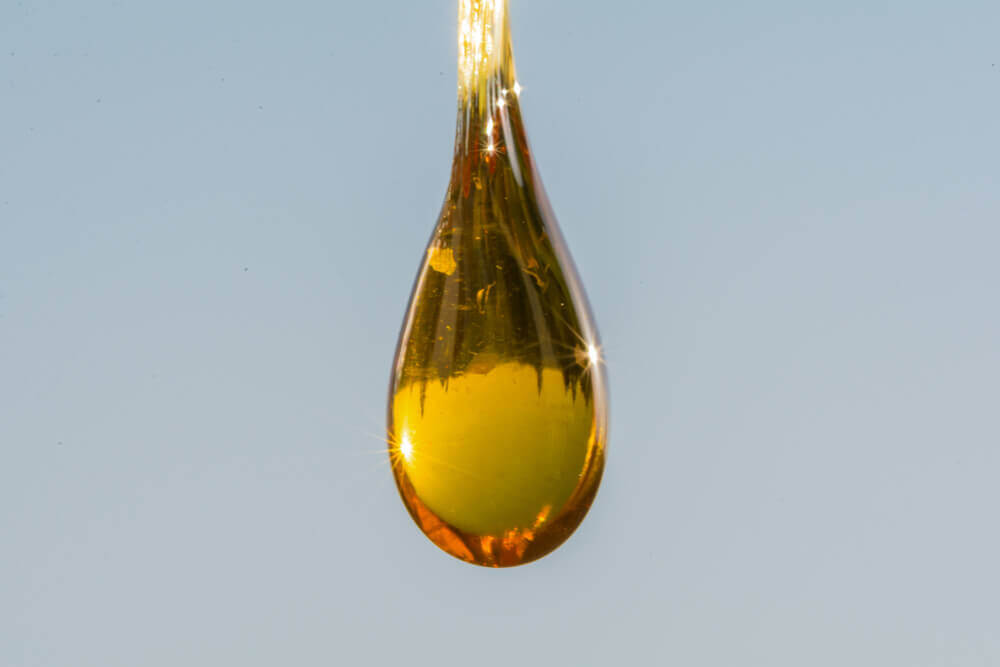
Extracts are usually produced in the form of essential oils, tinctures, solid crystals, or powders. Since they are a concentrated form of desired compounds found in the raw product, extracts can provide much more potent qualities than the original, untouched substance it was derived from. In essence, all extracts are the result of a process designed to eliminate all “unnecessary” elements in order to provide the purest and profound experience possible.
How to extract CBD
There is a variety of different CBD extraction techniques that are used throughout the industry. However, the most common extractions methods are:
-
C02 CBD Extraction
There are a few different types of CO2 extractions that are used; they are individually known as supercritical, mid-critical, and subcritical. However, the carbon dioxide extraction that is most typically used to create CBD concentrates falls in the supercritical category. This is due to the purity of the end product and the overall safety of this method. During these extractions, pressurized carbon dioxide is used to pull out the desired compounds from the initial hemp material. In order to do this properly, extremely expensive equipment is needed.
As we all know, carbon dioxide is a gas under standard temperatures and pressures. But, it can be quickly turned into a solid as well, in a form that we colloquially know as “dry ice” if those conditions change. However, during supercritical extractions, it is necessary to have CO2 in a liquid form (which is typically not normal). This is where the expensive extraction equipment comes in!
These valuable contraptions can safely increase the pressure of the carbon dioxide to 75 pounds per square inch (also known as psi) while bringing down the temperature to -69 degrees Fahrenheit. In these intense conditions, carbon dioxide can finally transform into its liquid state. At this point, the extraction process can start.
The next step is to transform the liquid CO2 into a supercritical state. This is done by increasing both pressure and temperature. Once the CO2 is in this supercritical state, it can actually act as both a gas and a liquid at the same time. In this form, carbon dioxide is a prime chemical extraction agent because it will not cause any damage or denaturing of the element that is to be pulled out of the starting material.
In our industry, CBD, terpenes, and other cannabinoids are the target products that are extracted from hemp plant matter. Therefore, once the extraction process is completed, the final solution gets run through a separator so that the desired cannabinoids and terpenes can be sent to the collection container for use. The supercritical CO2 is then brought back to its liquid state and is sent to a special storage container where it can be reused for additional extractions.
It should be noted that subcritical and mid-critical extractions are used sometimes as well because they create slightly different end products. The subcritical CO2 process uses much lower temperatures and pressures than the supercritical process. It also takes a much longer time to produce a concentrate.
This process also doesn’t pull out many larger impurities such as omega fatty acids and chlorophyll. The subcritical method is far less likely to damage the terpenes and cannabidiol. Mid-critical extractions describe a method that uses both supercritical and subcritical carbon dioxide techniques together in order to provide an end product that is more full spectrum. This is why the mid-critical method is often known as the total extraction process.
-
Olive Oil CBD Extraction
Olive oil extraction is a method that many people use at home to produce their own CBD concentrates. In essence, the starting hemp material is heated up in order to decarboxylate it. In order to do that properly, the hemp must be ground up and heated for roughly an hour at 248 degrees Fahrenheit.
Once the decarboxylation step is completed, the plant material gets added to olive oil. This mix is then heated up again for one to two hours at about 212 degrees Fahrenheit. This solution is then strained and the process is done! You will be left with a CBD-rich oil that you can ingest as desired. This process is far cheaper and quicker than CO2 extractions, but it produces an oil that doesn’t contain nearly as much CBD and is also full of unnecessary impurities.
-
Solvent CBD Extraction
This is yet another technique that many people try at home. There is a variety of solvents that can be used during this procedure. The most commonly used solutions are ethanol, butane, or low-grade alcohol. If you are planning on trying this method, just be careful because many of these solvents are quite flammable!
All you have to do to enact this procedure is to add the solvent to the initial plant matter. Once you feel as if the solution has pulled out enough of the compounds that you want, the plant material should be removed and the resulting liquid should be heated up so that the solvent evaporates and leaves you a base CBD and terpene-rich oil.
The solvent will quickly pull out the entire range of desired cannabinoids, terpenes, and oils. These solutions are so effective at stripping away organic molecules that many undesired impurities such as chlorophyll will also be leached from the hemp. These impurities can be strained out and separated from the final product, but doing so tends to reduce the potency of the resulting CBD extract.
By now, you should be feeling much more confident in your knowledge about everything related to hemp extraction methods. Are you feeling more ready to buy some of the top quality CBD supplements on the market? If so, come check out 1000Hemp.com!
Here at 1000 Hemp, we have made it our company mission to manufacture and supply the best cannabidiol products possible to any and all wholesale buyers. If it is your goal to provide your customers with undeniable and unmatchable CBD goodies, contact us today to inquire about our product availability and any specific pricing information you might be interested in.