
In the past few years, a lot of people have started paying attention to CBD for its potential health benefits to the body and the ability to ease stress, insomnia, and inflammation. While scientific studies are still being conducted in order to determine how effective CBD (also known as cannabidiol) is, many of our customers have already begun to incorporate it into their own supplementation regimens. Luckily, almost all the research conducted so far has shown cannabidiol to be generally safe while causing very few (if any) negative side effects. However, it is crucial to be very mindful of the interactions that CBD oil may have with other medications. This is why it is of utmost importance that anyone who wants to take cannabidiol supplements should first speak with their physician about the potential risks of taking CBD with other prescriptions or over the counter medications.
How Does Our Body Process Drugs and Medications?
Every time we ingest any substance or drug, our bodies must break it down and absorb it through our metabolic pathways. Most of our metabolism is conducted in our stomachs and intestines while also being supported tremendously by the liver and other parts of the body. A superfamily of enzymes known as cytochrome P450 (which is also known as CYP450) is responsible for handling a lot of the important work that is needed to convert many foreign substances so they can be processed through the body. Cytochrome P450 enzymes are particularly important during the metabolism of drugs and medications. As a matter of fact, they are responsible for 75 percent of drug absorption and elimination within our bodies. In humans, the CYP450 family is found in proteins within the inner membrane of the mitochondria within cells throughout our bodies. While cytochrome P450 is tasked to metabolize so many different substances, some compounds and medications can affect these enzymes and cause drastic changes in the rate that drugs are metabolized within our systems. This is exactly how ingesting certain products can slow down or speed up our drug metabolisms.
How Do Cytochrome p450 Enzymes Interact With CBD?
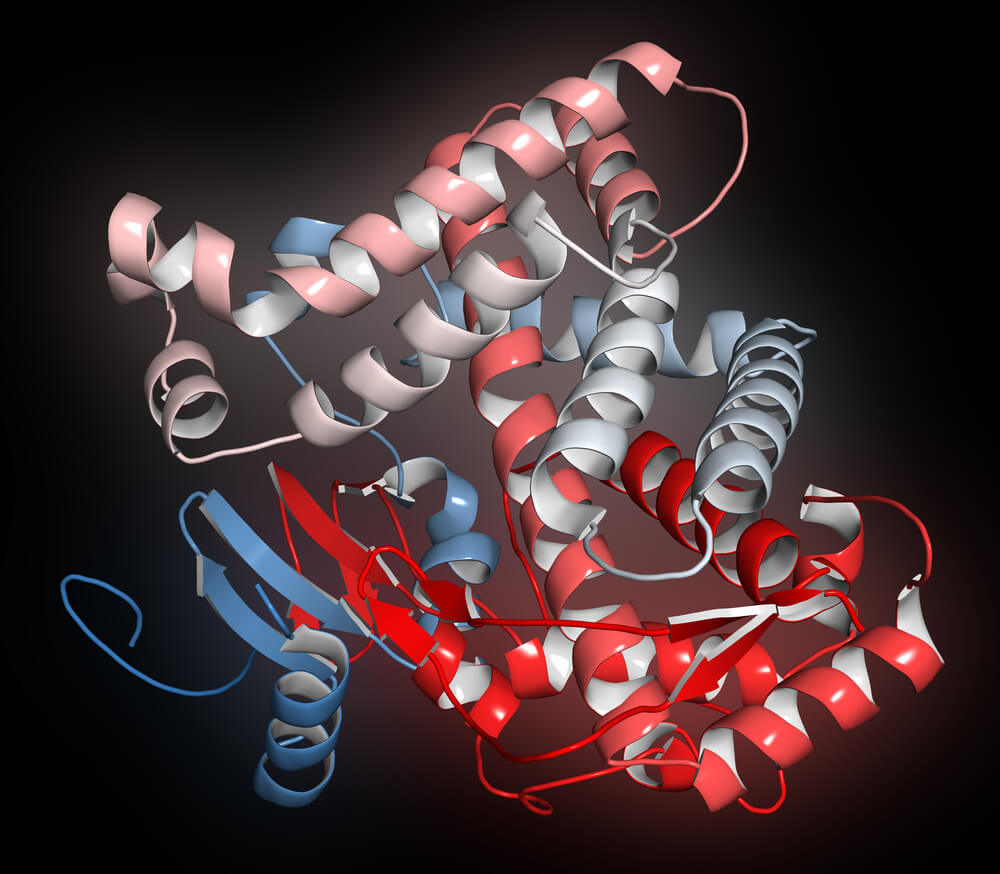
As you might have already guessed, the most recent research indicates that the CYP450 superfamily of enzymes is also tasked with metabolizing CBD and a variety of other hemp-based cannabinoids. One of these enzymes known as CYP3A4 is specifically responsible for metabolizing CBD. Cannabidiol simultaneously interferes with CYP3A4 ability to function during this process. Unfortunately, CYP3A4 is also responsible for processing roughly 60 percent of all clinical prescription drugs on the market. So, it only makes sense that if cannabidiol inhibits the CYP3A4 enzyme from working properly, it will not be able to effectively metabolize any other medications that are in the body. Believe it or not, depending on your body’s unique chemistry, the opposite phenomenon can also occur; certain prescription medications can inhibit CYP3A4’s ability to function. This will cause the body to process CBD far less effectively.
What Drugs Should Not Be Taken With CBD?
There are quite a few common medications that could cause adverse reactions if taken while cannabidiol is in the body. Did you know that negative effects could occur while using CBD oil and antihistamines together? Here are a few others:
- Anticancer drugs
- Antimicrobials and antibiotics
- Blood pressure medications and blood thinners
- Antiepileptic drugs (also known as AEDs)
- Corticosteroids
- Cholesterol medications
- Gastrointestinal medications
- Heart rhythm medicines
- Depression, anxiety, and/or mood disorder medications
- Immunosuppressant drugs
- Pain medicines
- Prostate drugs
- Erectile dysfunction medication
There are still many studies that are being conducted on cannabidiol in order to better understand its potential reaction with other medicines. In the meantime, there is one effective rule of thumb (besides asking your doctor) to help determine if a medicine is safe to use with CBD: avoid mixing both in your system together if your medication label warns against ingesting grapefruit or other closely related citrus fruits with it. This is because these types of fruits contain compounds known as furanocoumarins that also inhibit the function of CYP3A4 in a similar way to CBD.
How to Talk to Your Doctor About Using CBD With Medications?
The best game plan for our customers to remember is to be honest about their desires to use cannabidiol supplements and be open to any instructions that their physician gives them. Doctors should be able to give some helpful guidelines on how to choose the right CBD dosage, product type, and schedule in a way that will not affect the efficacy of their patients’ other medications. Do not be surprised if the doctor requires a few extra check-ups or blood plasma tests in order to determine that the new cannabidiol regimen is not causing any unwanted effects. It is also important to note that, unless your physician instructs you to do so, please do not change your dosage or stop taking any of your prescriptions. Keep in mind that there are many ways to take CBD (through lotion, edibles, vape products, oils, and tinctures) that physicians may prefer for their patients to use with certain prescription drugs. By now, you should be quite versed in helping your clients know how some of their medications may be affected by their favorite cannabidiol products. If you (or they) still need a bit more clarification on this topic or simply want a more detailed plan on how to speak with doctors, please give 1000 Hemp a call. It is our goal to ensure that you can safely use our favorite cannabinoid: CBD!